
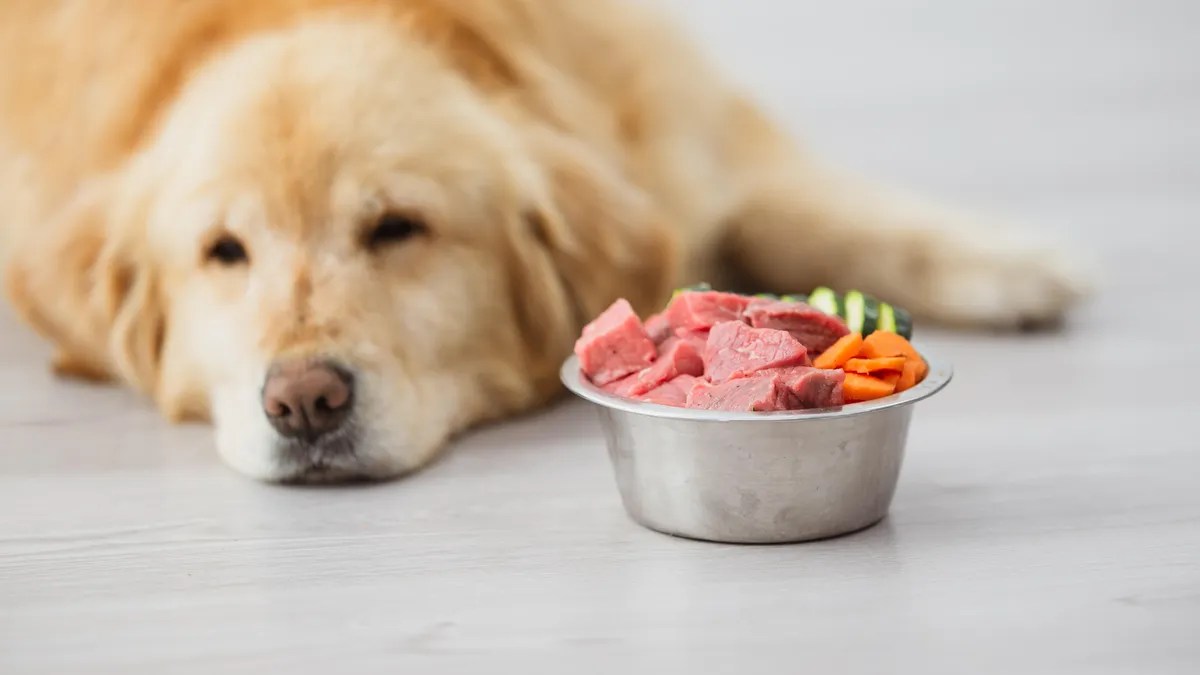
The trend of feeding pets a raw diet has gained significant attention in recent years, with many owners advocating for the health benefits it purportedly offers. A raw diet typically includes uncooked meat, bones, fruits, and vegetables, mimicking what pets might eat in the wild. However, while there are potential advantages, there are also notable risks associated with this feeding approach. This article will explore both the benefits and risks of raw diets for pets, equipping you with the knowledge needed to make an informed decision for your furry friends.
What is a Raw Diet?
A raw diet for pets, often referred to as a “BARF” diet (Biologically Appropriate Raw Food or Bones and Raw Food), consists mainly of raw meat, organs, and bones, along with some fruits and vegetables. Advocates argue that this diet aligns more closely with the ancestral dietary patterns of dogs and cats, potentially leading to better overall health.
Benefits of Raw Diets
- Improved Coat Condition
- Many pet owners report that their pets exhibit shinier coats after transitioning to a raw diet. This enhancement is often attributed to the higher fat content found in raw meat, which can promote healthy skin and fur.
- Better Digestion
- Raw diets can be easier for some pets to digest, particularly those with sensitivities to grains or fillers commonly found in commercial pet foods. The natural enzymes in raw food may help break down nutrients more efficiently.
- Increased Energy Levels
- Some pets may experience a boost in energy when fed a raw diet. The high protein content and absence of preservatives can contribute to improved vitality, which is especially beneficial for active pets.
- Weight Management
- Raw diets can help with weight management, as they often contain fewer carbohydrates compared to traditional kibble. This can be advantageous for pets prone to obesity or those needing to lose weight.
- Dental Health
- Chewing raw bones can provide dental benefits by naturally scraping plaque off teeth. However, it’s essential to choose appropriate bones that are safe for your pet to chew.
Risks of Raw Diets
- Nutritional Imbalance
- One of the most significant concerns with raw diets is the risk of nutritional imbalance. It can be challenging to provide all the essential nutrients your pet needs without careful planning. Deficiencies or excesses in vitamins and minerals can lead to serious health issues over time.
- Bacterial Contamination
- Raw meat can harbor harmful bacteria such as Salmonella and E. coli, which pose risks not only to pets but also to humans. Pets can shed these bacteria in their feces, creating potential hazards for family members, especially children and immunocompromised individuals.
- Bone Hazards
- While bones can be beneficial, they also present risks. Cooked bones can splinter and cause blockages or tears in the digestive tract, while raw bones may lead to dental fractures if not chosen carefully. Always consult with your veterinarian about safe bone options.
- Increased Veterinary Visits
- Pets on a raw diet may require more frequent veterinary check-ups to monitor health and ensure nutritional adequacy. This added responsibility can be both time-consuming and costly.
- Potential for Allergies
- Just like with any diet, some pets may develop allergies to certain proteins or ingredients in raw foods. Transitioning to a raw diet requires careful observation to identify any adverse reactions.
Making an Informed Decision
Before switching your pet to a raw diet, consider the following steps:
- Consult Your Veterinarian
- Always discuss dietary changes with your veterinarian, particularly if your pet has pre-existing health conditions. Your vet can provide guidance on transitioning safely and maintaining nutritional balance.
- Research Thoroughly
- Educate yourself about raw feeding protocols, including how to balance the diet effectively. There are many resources available, including books, online forums, and professional pet nutritionists.
- Gradual Transition
- If you decide to switch to a raw diet, do so gradually. Begin by introducing small amounts of raw food mixed with your pet’s current diet. This helps prevent digestive upset and allows you to monitor your pet’s response.
- Monitor Health Closely
- Keep a close eye on your pet’s health during the transition. Look for any signs of digestive distress, changes in energy levels, or skin conditions. Regular veterinary check-ups are crucial to ensure your pet is thriving on the new diet.
- Focus on Quality Ingredients
- If you choose to pursue a raw diet, prioritize high-quality meats and organic produce whenever possible. This minimizes the risk of bacterial contamination and ensures your pet receives optimal nutrition.
Conclusion
Raw diets for pets offer potential benefits, such as improved coat condition, digestion, and energy levels, but they also carry risks that should not be overlooked. Understanding both sides of the raw feeding debate
 Dogs Care News