
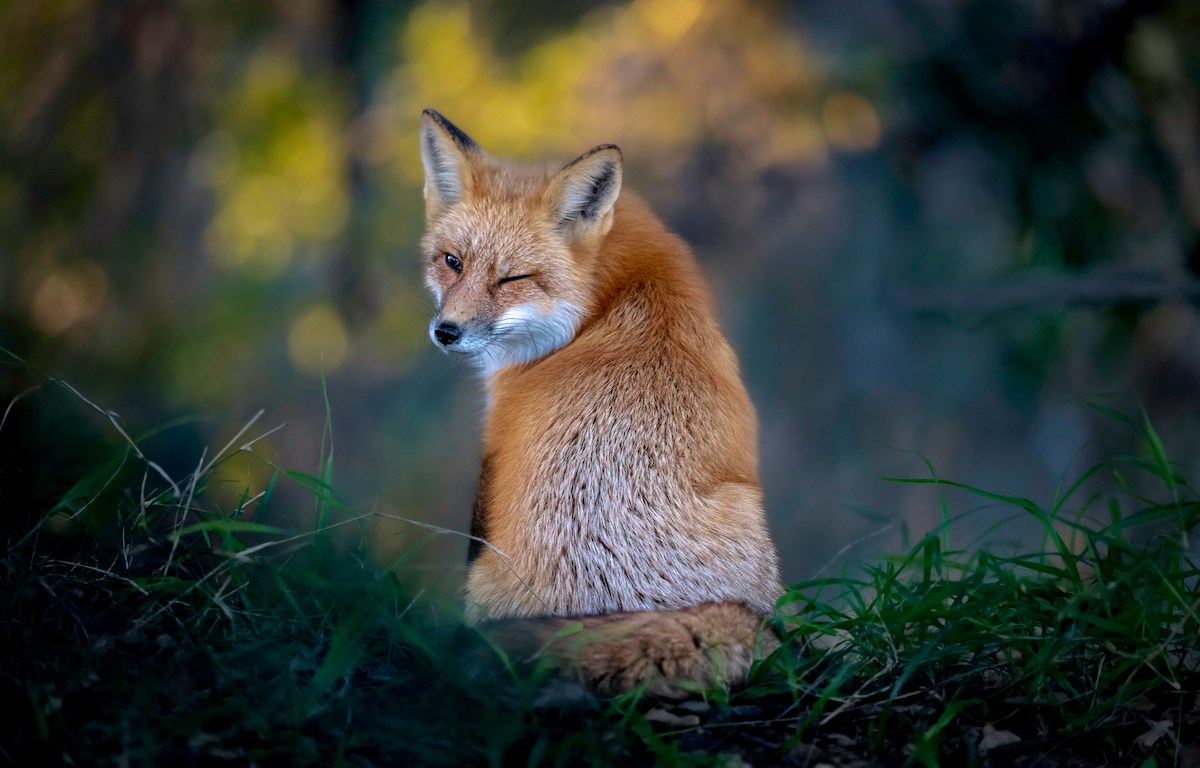
Wildlife photography is a captivating blend of art and nature, offering photographers a chance to capture stunning moments in the lives of animals. However, photographing wildlife can be challenging due to unpredictable subjects and demanding environments. Here’s a comprehensive guide to help you master the art of wildlife photography and capture breathtaking images.
1. Understand Animal Behavior
To capture compelling wildlife photographs, it’s essential to understand the behavior of your subjects. Spend time observing animals in their natural habitat to learn their routines, feeding patterns, and social interactions. This knowledge not only helps you anticipate their actions but also increases your chances of capturing candid moments. Consider reading books or watching documentaries that delve into the specific species you plan to photograph.
2. Choose the Right Gear
Selecting the appropriate camera and lenses is crucial for wildlife photography. A DSLR or mirrorless camera with a fast autofocus system is ideal. Telephoto lenses, typically ranging from 200mm to 600mm, allow you to capture distant subjects without disturbing them. A sturdy tripod or monopod can also help stabilize your camera, especially in low-light conditions or when using long lenses. Additionally, consider bringing extra batteries and memory cards, as wildlife photography often involves long hours in the field.
3. Pay Attention to Light
Lighting plays a significant role in photography, particularly in wildlife settings. The best times to shoot are during the golden hours—shortly after sunrise and before sunset—when the light is soft and warm. Midday sunlight can create harsh shadows, making it challenging to capture detail. If you must shoot during this time, seek shaded areas or use reflectors to diffuse the light. Also, be mindful of the direction of the light to avoid backlighting your subject unless you’re aiming for a silhouette effect.
4. Master Composition Techniques
Effective composition can turn an ordinary wildlife shot into something extraordinary. Use techniques such as the rule of thirds to create a balanced image. Position your subject off-center to draw the viewer’s eye into the scene. Additionally, incorporate leading lines, such as paths or rivers, to guide the viewer’s gaze. Experiment with different angles—shooting from a low vantage point can add drama, while a high angle can provide context. Always strive to capture the environment that surrounds your subject.
5. Be Patient and Persistent
Wildlife photography requires a great deal of patience. Animals often don’t appear on cue, and capturing the perfect moment can take time. Be prepared to wait silently and remain still, allowing wildlife to become accustomed to your presence. Bring along a book or plan for extended outings, as the most rewarding shots often come after long waits. This persistence can lead to unexpected and beautiful moments.
6. Focus on Eyes
In wildlife photography, the eyes are the window to the soul. Capturing sharp focus on the animal’s eyes can evoke emotion and draw the viewer into the image. Use your camera’s autofocus system to ensure the eyes are in sharp focus, and consider using a wide aperture to create a shallow depth of field that blurs the background. This technique emphasizes your subject and adds an artistic touch to your photographs.
7. Respect the Wildlife
While it’s essential to capture great photos, always prioritize the well-being of the animals you are photographing. Keep a safe distance to avoid causing stress or disrupting their natural behavior. Use long lenses to get close-up shots without intruding. Adhere to local guidelines and regulations, and never approach nests or breeding sites. Understanding and respecting wildlife ensures that you can continue to enjoy and photograph them in the future.
8. Experiment with Techniques
Wildlife photography is not just about capturing images; it’s also an opportunity to experiment with various techniques. Consider using burst mode to capture a sequence of actions, such as a bird taking flight or an animal in motion. Long exposures can create stunning effects, particularly when photographing animals near water. Don’t hesitate to try different settings and styles to develop your unique photographic voice.
9. Edit Thoughtfully
Post-processing is a vital part of the photography workflow. Use software like Adobe Lightroom or Photoshop to enhance your images, but avoid over-editing. Adjustments to exposure, contrast, and color can help your photographs pop while retaining a natural look. Cropping can also improve composition, but ensure you maintain the aspect ratio to avoid distortion. Aim to enhance the image without altering the reality of the scene.
10. Share Your Work
Once you’ve captured and edited your wildlife photographs, consider sharing them with others. Create a portfolio, start a blog, or post on social media platforms dedicated to photography. Engaging with a community of fellow photographers can provide valuable feedback and encouragement. Sharing your work not only showcases your talent but also helps raise awareness about wildlife conservation and the importance of protecting natural habitats.
Capturing wildlife in their natural habitat is a rewarding endeavor that combines technical skill with an appreciation for nature. By understanding animal behavior, choosing the right equipment, mastering composition, and respecting wildlife, you can create stunning images that tell powerful stories. Embrace the challenges and joys of wildlife photography, and you’ll find it to be a truly enriching experience.
 Dogs Care News