
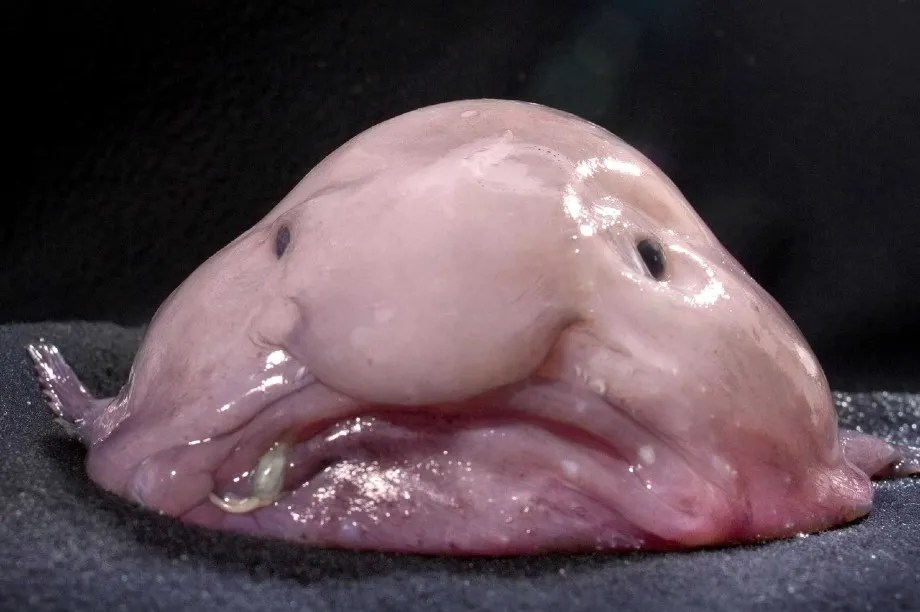
The animal kingdom is a realm filled with astonishing behaviors, peculiar adaptations, and fascinating traits that can leave anyone in awe. While many animal facts might seem ordinary, some truly bizarre aspects of wildlife challenge our understanding and spark curiosity. Here’s a look at some surprising animal facts that showcase the weird and wonderful ways of the natural world.
1. The Immortal Jellyfish
One of the most intriguing creatures in the ocean is the Turritopsis dohrnii, commonly known as the immortal jellyfish. This remarkable species possesses the unique ability to revert to its juvenile form after reaching maturity, effectively allowing it to bypass death. When faced with stress or injury, it can undergo a process called transdifferentiation, transforming its cells into a younger state. This means that, theoretically, it could live indefinitely under the right conditions, challenging our conventional understanding of life cycles.
2. Wombat Poop is Cube-Shaped
Wombats, native to Australia, have a rather peculiar way of leaving their mark on the world. Their feces are cube-shaped! This unusual shape prevents the droppings from rolling away, helping to mark territory effectively. Researchers believe that the wombat’s intestines play a crucial role in shaping the poop, as they stretch and contract in a way that forms these unique cubes. This fascinating adaptation allows wombats to communicate their presence without losing their scent markers to the elements.
3. The Axolotl’s Regenerative Powers
The axolotl, also known as the Mexican salamander, possesses extraordinary regenerative abilities. Unlike most other species, axolotls can regenerate entire limbs, spinal cord sections, heart tissue, and even parts of their brain without scarring. This remarkable capability has garnered significant interest from scientists, as understanding the mechanisms behind this regeneration could lead to advancements in medical science, particularly in tissue regeneration and healing.
4. The Blue Whale’s Heart
The blue whale, the largest animal to ever exist, has a heart that is nothing short of monumental. Weighing approximately 400 pounds (about the size of a small car), the blue whale’s heart pumps around 60 gallons of blood with each beat. Its heart is so large that a small child could swim through its arteries! This enormous organ is crucial for sustaining the massive body of the blue whale, which can reach lengths of up to 100 feet.
5. Pistol Shrimp and Sonic Weaponry
The pistol shrimp, also known as the snapping shrimp, is a tiny creature capable of producing a sound so loud that it can stun or even kill small fish. This remarkable shrimp uses a specialized claw that can snap shut at incredible speeds, creating a cavitation bubble that collapses with a sound reaching over 200 decibels. This phenomenon is one of the loudest sounds in the ocean and serves both as a defense mechanism and a means of communication.
6. Octopuses Have Three Hearts
Octopuses are fascinating creatures with complex physiology. They have three hearts: two pump blood to the gills, where it is oxygenated, and the third pumps the oxygen-rich blood to the rest of the body. Interestingly, when an octopus swims, the heart responsible for pumping blood to the body actually stops beating, which is why these intelligent cephalopods prefer crawling to swimming. This adaptation allows them to conserve energy while foraging on the ocean floor.
7. The Platypus and Its Unique Features
The platypus is an extraordinary animal that defies classification. It is one of the few mammals that lay eggs rather than giving birth to live young. Additionally, male platypuses possess venomous spurs on their hind legs, making them one of the few venomous mammals. Their duck-like bills contain electroreceptors that allow them to detect the electric fields produced by prey in the water, showcasing a remarkable combination of features that make the platypus truly unique.
8. The Mimic Octopus
The mimic octopus, native to the waters of Southeast Asia, has an incredible ability to imitate other marine animals. It can change its color, texture, and behavior to mimic a variety of species, including lionfish, flatfish, and even sea snakes. This extraordinary adaptation not only helps it avoid predators but also allows it to sneak up on prey. Its ability to imitate other creatures demonstrates the remarkable intelligence and adaptability of cephalopods.
9. Naked Mole Rats and Their Unique Society
Naked mole rats are fascinating rodents that live in highly organized colonies. They exhibit eusocial behavior, similar to that of bees and ants, with a single breeding female—known as the queen—leading the group. These animals have a unique resistance to cancer and can live for over 30 years, far exceeding the lifespan of most other rodents. Their social structure and ability to thrive in harsh underground environments make them an interesting subject of study for scientists.
10. The Sloth’s Slow Metabolism
Sloths are renowned for their sluggishness, and their incredibly slow metabolism plays a key role in their lifestyle. They can take up to a month to digest a single meal, primarily consisting of leaves. This slow digestion is a survival strategy, allowing sloths to conserve energy in their nutrient-poor diet. Sloths also move so slowly that algae can grow on their fur, providing them with additional camouflage in the treetops of their rainforest habitat.
Embracing the Wonders of Nature
These bizarre animal facts reveal the astonishing diversity and adaptability of life on Earth. Each species has evolved unique traits and behaviors that serve specific purposes in their environments. By learning about these fascinating creatures, we deepen our appreciation for the natural world and the importance of protecting it. Whether it’s through conservation efforts or simply sharing knowledge, each of us can contribute to the understanding and preservation of the amazing diversity of life that surrounds us.
 Dogs Care News