
The arrival of the first frost signals the shift from fall to winter, and for farmers and livestock owners, it’s a critical reminder to take proactive steps to protect their animals from the harsh conditions ahead. Cold temperatures, freezing water supplies, and reduced forage can all affect the well-being and productivity of your animals. Here’s how to make sure your farm animals are safe, warm, and healthy when the frost sets in.
- Evaluate and Reinforce Shelter
Inspect Barns and Coops:
Check for drafts, leaks, and structural weaknesses. Even small gaps can let in cold air, so seal them with weather-resistant materials.
Add Bedding:
Provide thick layers of clean, dry bedding such as straw or wood shavings. Bedding acts as insulation and gives animals a warm place to rest.
Consider Heat Sources (If Needed):
For young or vulnerable animals, safe supplemental heating (like heat lamps) may be necessary. Always use heat sources with caution to prevent fire risks.
- Winterize Water Sources
Prevent Freezing:
Install heated water buckets or trough deicers to keep water from freezing. Make sure electric cords are in good shape and placed safely.
Check Frequently:
Even with heaters, check water supplies daily. Dehydration is a real risk when animals can’t access water due to ice.
- Adjust Feeding Strategies
Increase Feed Intake:
Animals burn more calories to stay warm, so increase their feed accordingly. High-fiber diets help generate body heat, especially for ruminants like cows and goats.
Supplement as Needed:
Provide mineral blocks and vitamin supplements to support immune function and overall health during the cold months.
- Inspect and Maintain Coats
Natural Coats:
Allow animals to grow their winter coats naturally. Avoid unnecessary shearing, especially for sheep, goats, and alpacas close to the frost period.
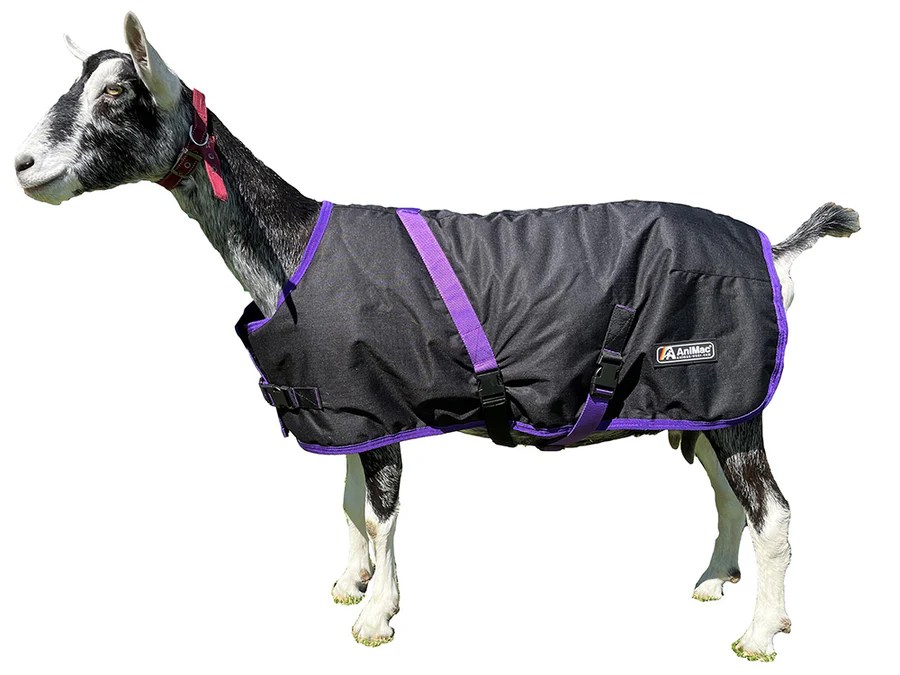
Protective Goat Winter Coats:
For young, short-haired, or weak animals, consider using insulated coats or blankets. These are particularly helpful for animals like calves, lambs, or smaller goat breeds.
- Manage Pasture Access
Monitor Grass Availability:
Pastures lose their nutritional value after the first frost. Begin transitioning animals to hay or stored feed.
Avoid Toxic Plants:
After frost, some plants like johnsongrass or sorghum can become toxic. Keep grazing animals away from these areas until safe.
- Maintain Animal Health
Schedule Vet Checks:
Early fall is a good time for routine checkups and vaccinations. Healthy animals are better equipped to handle cold stress.
Watch for Cold-Related Illnesses:
Look out for signs of hypothermia, frostbite, and respiratory issues, especially in young or older animals.
- Prepare Emergency Supplies
Stock Up Early:
Have extra feed, bedding, and first-aid supplies on hand. Weather can be unpredictable, and you’ll want to avoid emergency trips during storms.
Power Backup:
Invest in a generator to ensure water heaters and electric fence systems remain functional during power outages.
Final Thoughts
The first frost is more than just a change in temperature—it’s a signal to get your farm winter-ready. By reinforcing shelter, adjusting nutrition, safeguarding water supplies, and closely monitoring animal health, you can ensure your livestock remain comfortable and productive throughout the colder months. A little preparation now goes a long way in protecting both your animals and your peace of mind.
 Dogs Care News